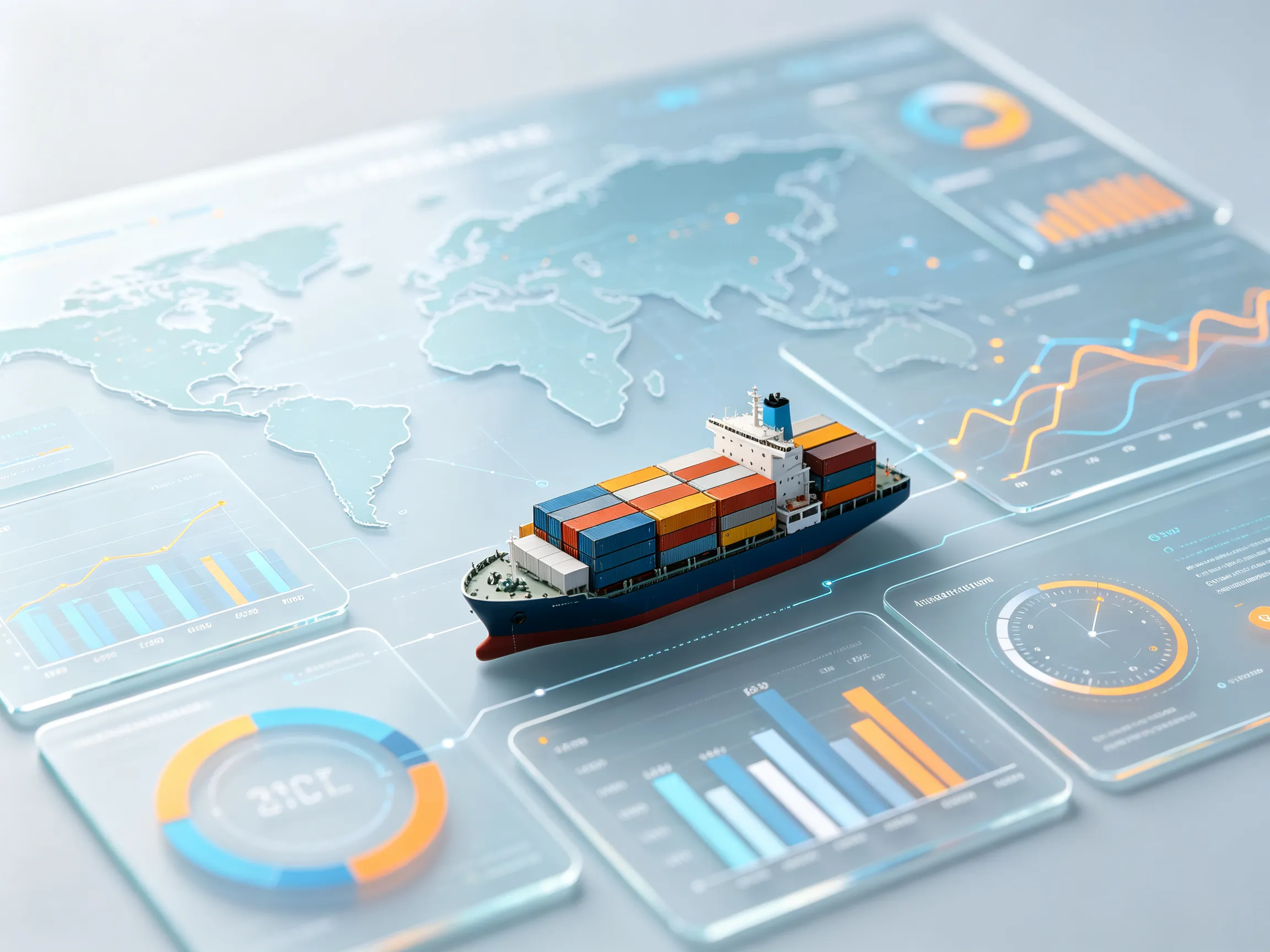
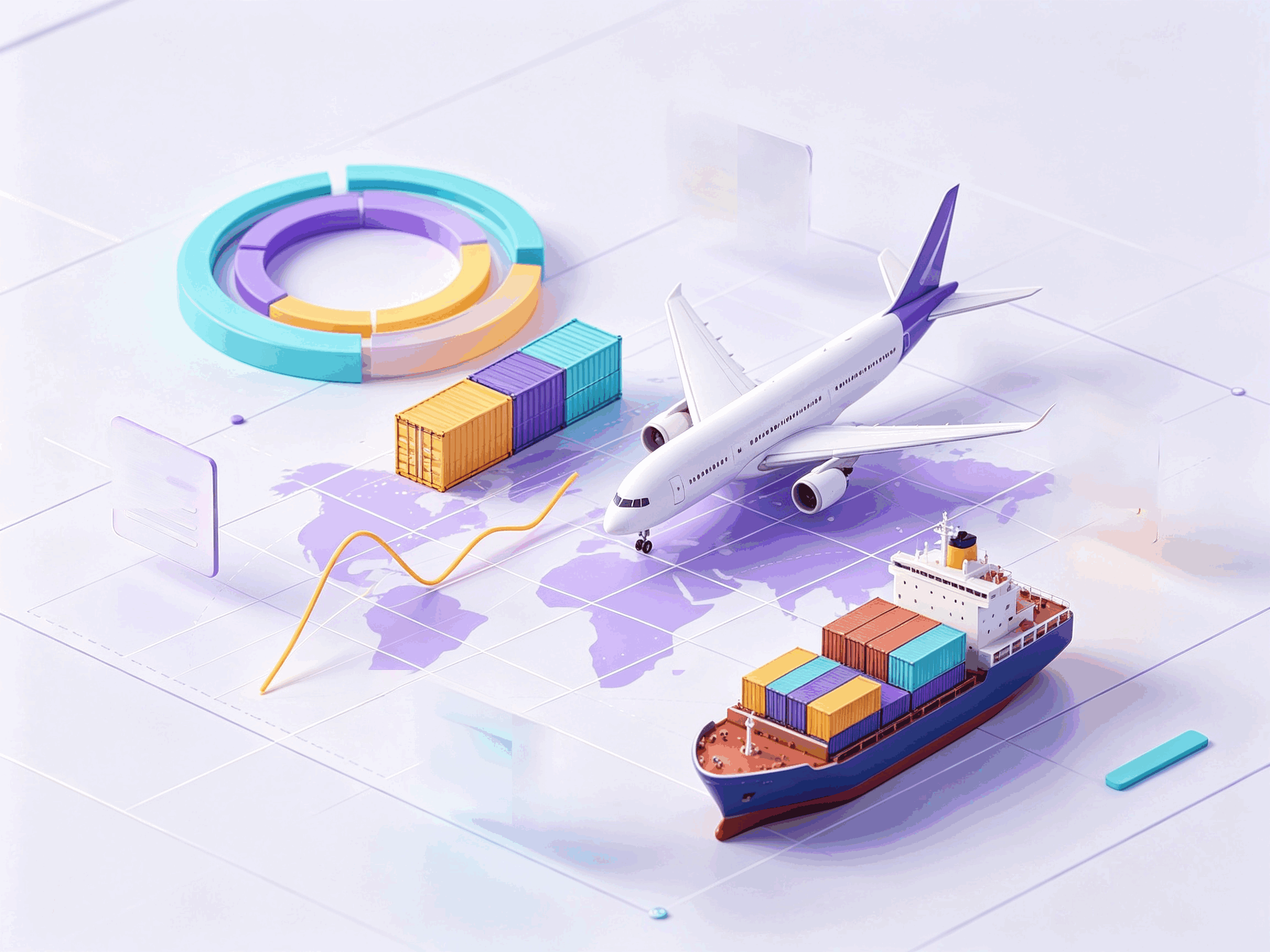
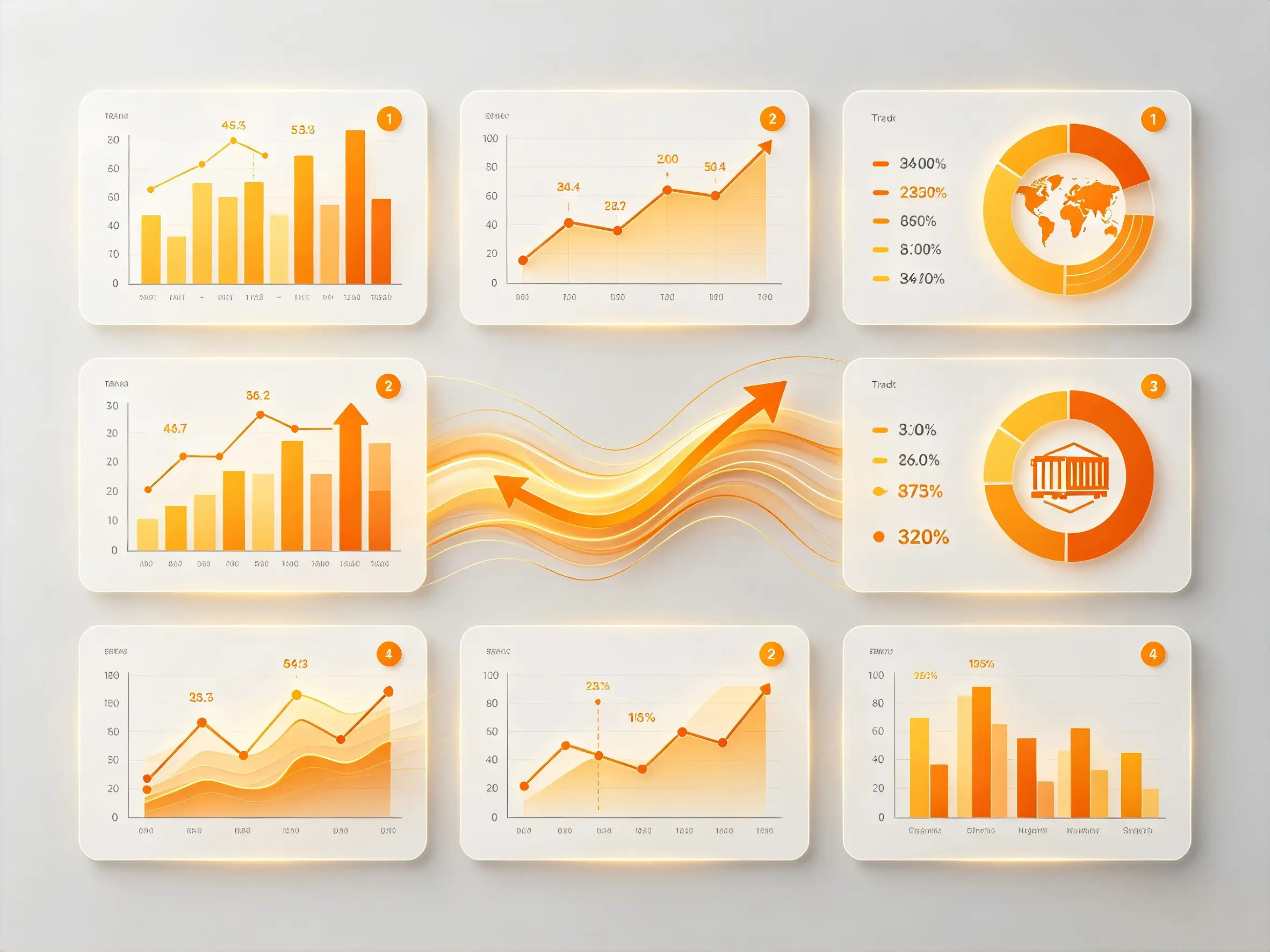
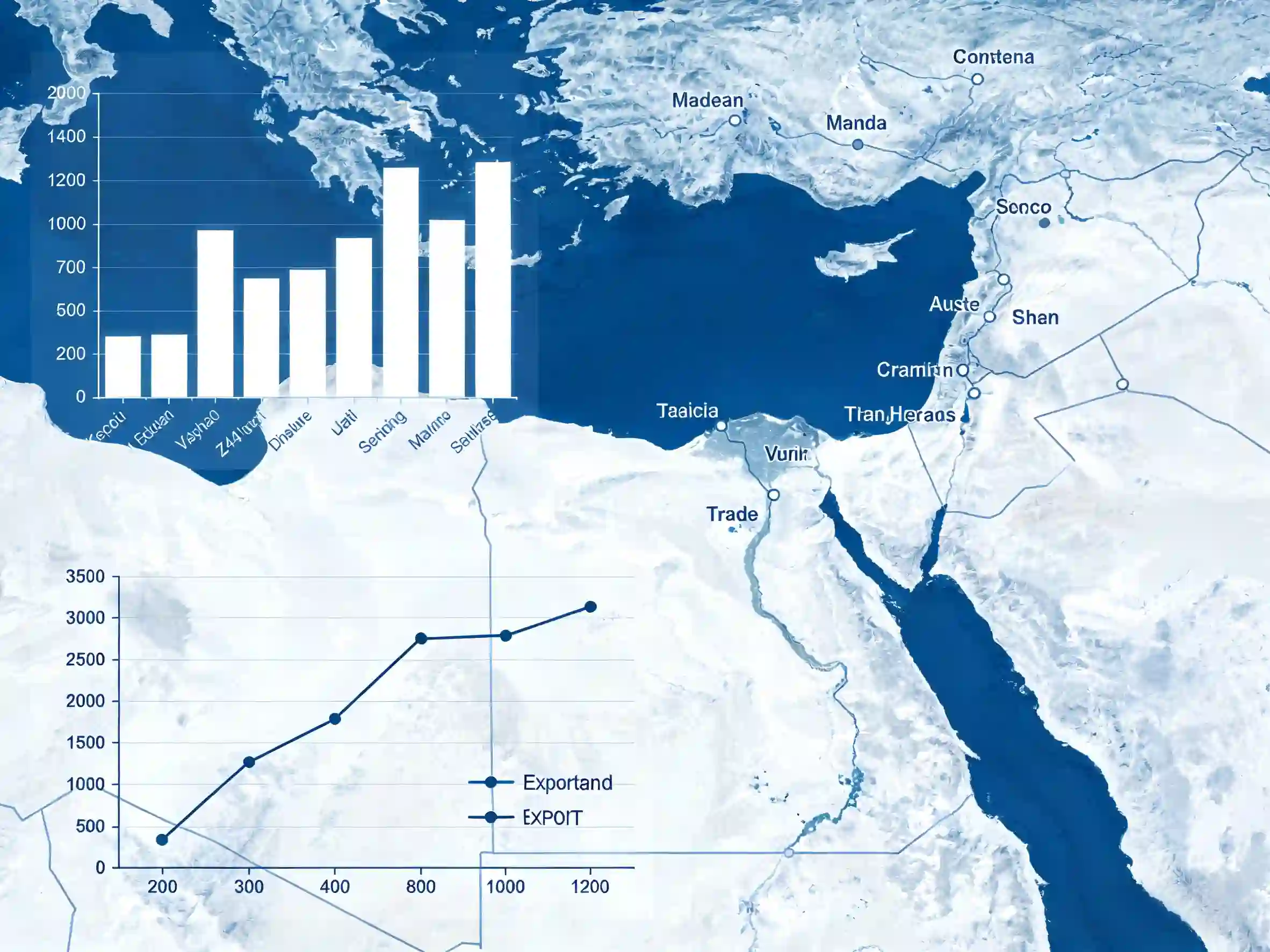
Customs data, also widely known as import-export trade data or bill of lading data, refers to standardized shipment records collected and filed when goods cross international borders. It is extracted from customs declarations, carrier manifests, and bills of lading submitted to national customs authorities before cargo clearance.
For B2B exporters, importers, freight forwarders, and trade analysts, it is one of the most powerful intelligence tools to understand real cross-border buying behavior. Unlike market reports or directory lists, customs data reflects actual shipment activity: who is buying, what products they import, which suppliers they use, shipment volumes, loading and destination ports, and shipment dates. It does not rely on self-reported marketing claims or outdated company directories.
It is important to distinguish customs data from general customs clearance documents. Clearance papers are used to release cargo; structured customs datasets clean, normalize, and index millions of historical shipment records for business research and market analysis.
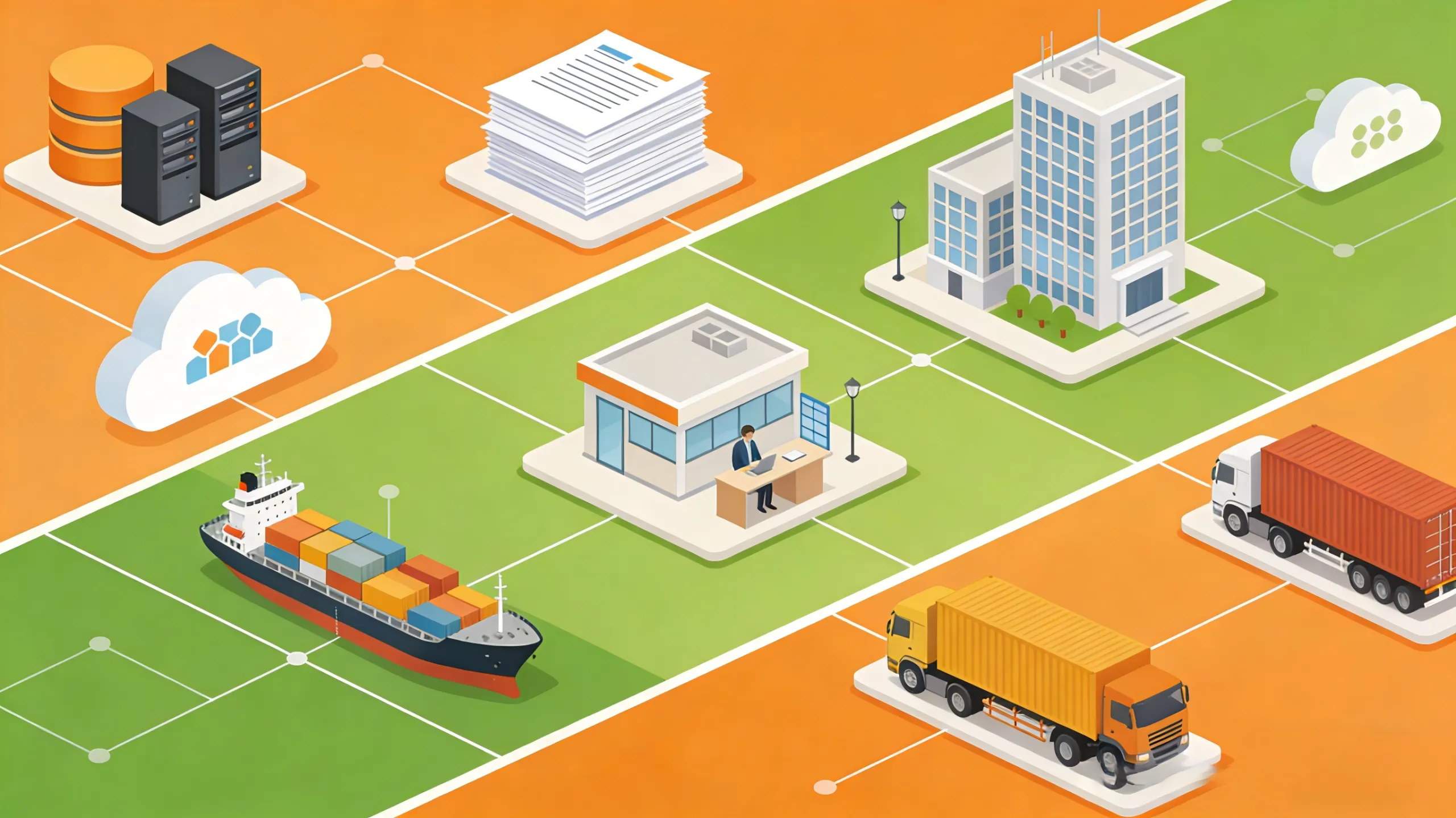
What Fields Does Customs Data Include?
Quality customs datasets standardize core shipment fields from raw manifest and declaration files. Not every country releases the same level of detail, but typical records contain these key items:
- Importer (consignee) full company name and location
- Exporter (shipper) full company name and location
- Product description and HS code
- Shipment quantity, gross weight, package type, and package count
- Loading port, discharge port, country of origin and destination
- Shipment date, vessel or carrier name, bill of lading number
- Container numbers and shipping route
Some markets do not publish commercial invoice values, unit prices, or confidential buyer contact details. This is a common limitation that all trade professionals should understand before building outreach strategies based only on customs records.
Common Types of Customs Data Used in International Trade
- Bill of lading (B/L) shipment data: The most popular type for B2B sales teams. It covers ocean freight manifests and reveals active buyers and their current suppliers. This is the dataset most exporters use for buyer prospecting and competitor supplier research.
- Customs declaration data: Filed by importers or customs brokers. It usually includes formal HS classification, declared value, duty information, and regulatory compliance details. It is more useful for tariff, compliance, and tax planning.
- Aggregate national trade statistics: Published by government customs offices. It shows total import and export volumes by product, country, and month, without naming individual companies. It works well for market size forecasting and macro trend analysis.
- Air and express manifest data: Less widely available to the public than ocean B/L data. Many countries restrict air shipment records to protect commercial privacy.
6 Practical Use Cases for Import and Export Businesses
Customs data delivers clear value when used systematically, not just for random company hunting. Below are the highest ROI applications for trade teams.
First, find verified active buyers. Instead of cold emailing inactive company leads from LinkedIn or trade directories, customs data shows businesses that have recently imported your product. These buyers already have demand and established supply chains, which improves conversion rates significantly.
Second, monitor competitors and their suppliers. You can track which overseas buyers are buying from your rivals, how often shipments happen, and approximate order sizes. This helps you design targeted offers, competitive pricing, or alternative supply solutions.
Third, validate new markets before entry. Aggregate customs records show whether demand for your product is growing or shrinking in a target country, which ports receive most cargo, and which product specifications are popular. This reduces the risk of wasted travel, sample costs, and 展会 investment.
Fourth, supplier risk assessment. Importers use customs data to cross-check supplier shipment history, confirm export consistency, and identify if a factory has multiple buyers or frequent shipment delays.
Fifth, supply chain and logistics planning. Freight teams analyze port activity, seasonal shipment peaks, and carrier preferences to negotiate better freight rates and avoid port congestion windows.
Sixth, ABM and targeted sales outreach. Sales and marketing teams build account lists of high-volume consignees, then combine customs signals with LinkedIn, company website, and trade show data for personalized outreach.
Key Limitations You Must Know
Customs data is powerful, but it has clear boundaries. Misunderstanding these limits leads to wrong business decisions.
Coverage is not global. Only certain countries release detailed bill of lading manifests publicly. Many major economies publish only aggregated statistical data with no importer or exporter names. No provider can offer full worldwide shipment visibility.
Data is historical, not real-time. There is usually a delay between when a vessel sails and when the manifest appears in a trade database. It shows past purchases, not confirmed future orders.
Some fields are incomplete. Product descriptions can be vague; many regions hide shipment value, unit price, or direct contact information. Also, freight forwarders, trading houses, or consolidators may appear as consignees instead of the end buyer.
It cannot replace compliance or legal checks. Customs records do not confirm whether a buyer holds required import licenses, meets product certification rules, or passes sanctions screening. Always run compliance checks separately.
How to Choose a Reliable Customs Data Provider
When comparing platforms, evaluate these factors instead of only looking at price.
Check country and product coverage first. Confirm whether the target import market you care about releases B/L-level records, or only aggregate stats.
Look at data freshness and update frequency. Weekly updates are ideal for sales prospecting; monthly or quarterly data works better for long-term market trend research.
Review data cleaning quality. Raw manifests often contain spelling variations, duplicate entries, and forwarder names mixed with end buyers. Good providers normalize company names and tag forwarders separately.
Check export tools and integrations. Useful features include HS code filtering, alert functions for new shipments, exportable lead lists, and basic dashboard reports.
Avoid providers that promise 100% global coverage, guaranteed buyer contact numbers, or live order forecasts. These claims are not realistic under current customs transparency rules.
FAQs
Q1: Is customs data legal to use for buyer development?
A: In most markets, public customs manifest records are legal trade intelligence. Still, you must follow local anti-spam, data privacy, and cold outreach laws when contacting companies from the dataset. Do not use the data for harassment or unauthorized personal data collection.
Q2: Can customs data show exact order value and profit margin?
A: Usually no. Most public bill of lading datasets exclude commercial invoice value. You can estimate volume based on weight and quantity, but you cannot reliably calculate margins from B/L records alone.
Q3: What is the difference between customs data and trade statistics?
A: Customs shipment data names individual importers and exporters. Aggregate trade statistics only show total import or export volume for a product and country, with no company-level information.
Q4: Can I use customs data to find end customers if the consignee is a forwarder?
A: It is possible but needs extra research. If the listed consignee is a freight forwarder, you will need to combine the shipment information with company research to trace the actual end buyer.
Final Takeaway
Customs data is not a magic sales tool, but it is one of the most reliable ways to ground your international trade strategy in real shipment evidence. It helps importers source safer suppliers and helps exporters move from blind cold outreach to data-backed buyer hunting.
The best results come when you combine customs intelligence with HS code knowledge, compliance checks, multi-channel outreach, and direct communication. Treat it as a signal source: it tells you who is actively buying, and your sales work turns that signal into a new import-export partnership.